Side effects
How do I stay hydrated on a GLP-1?
Small sips, what to do after fluid losses, and signs that you need help.
What if a whole glass makes me feel too full?
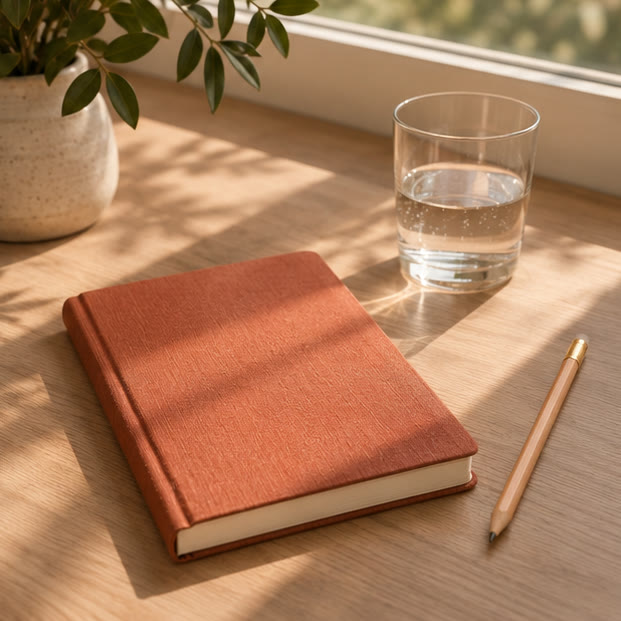
Try a few sips between meals if drinking a whole glass feels uncomfortable. A cup at your desk or the chair where you read can make that easier.
Think about when you lose track of drinking. Refilling a bottle before a commute or putting water beside your afternoon snack can make a difference on a busy day.
Follow any fluid limit your clinician has given you. Ask how to manage that limit on days when nausea or vomiting makes your usual routine difficult.
Do I need electrolyte drinks?
Water is a reasonable choice for everyday drinking. Keep a drink you tolerate nearby during the parts of the day when you tend to forget.
Repeated vomiting or diarrhea can cause salt losses as well as fluid losses. Tell a pharmacist or clinician how long it has been happening and whether you can keep drinks down.
Ask whether an oral rehydration solution is appropriate for you. Mention kidney disease, heart disease or a fluid restriction so the advice fits your circumstances.
When is dehydration urgent?
Seek prompt medical care if you cannot keep fluids down, are passing very little urine or feel faint. Persistent fluid loss can affect the kidneys.
When you call, describe what has happened since you last managed a drink. Mention vomiting or diarrhea and when you first noticed the change in urination.
Tell the team which medicine you take and when you last used it. If you already follow a fluid restriction, mention that too so they can account for it in your care.
Sources
Read next

Eating
What can I eat for breakfast on a GLP-1?
Three small breakfasts you can adapt when appetite or morning nausea changes.
Read more →
Medication
How do I travel with a weekly injection pen?
Check the temperature and time limits for your specific injection device before packing.
Read more →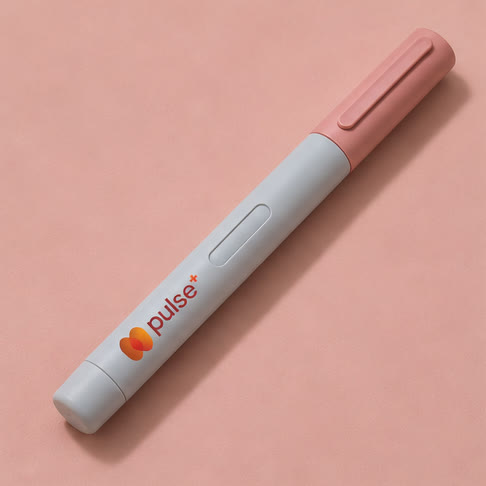
Medication
Where can I inject weekly semaglutide or tirzepatide?
Choose and rotate an injection site using the instructions for your pen.
Read more →